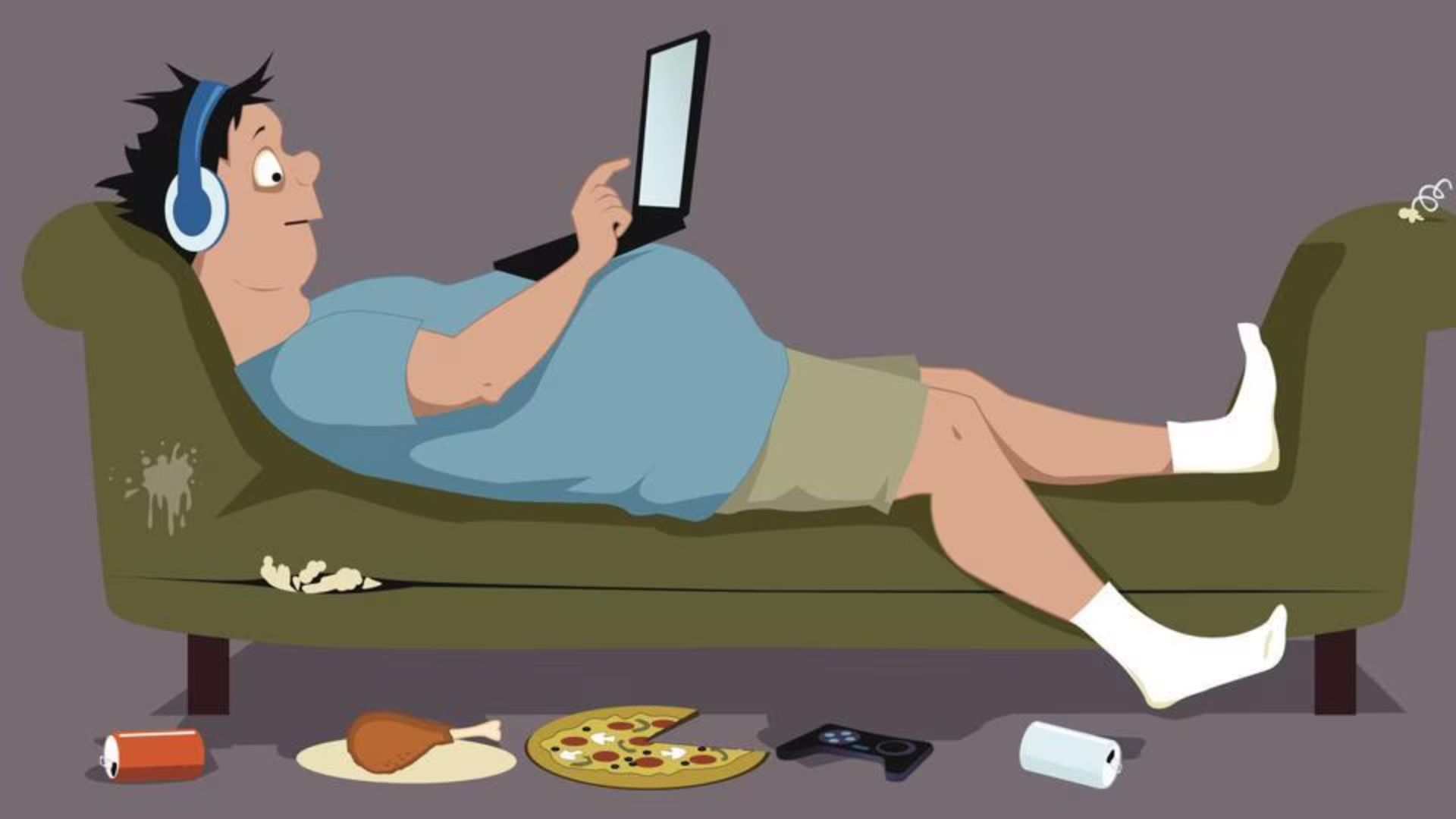
Understanding the Sedentary Lifestyle
A sedentary lifestyle is characterized by a lack of regular physical activity. It doesn't just mean sitting at a desk all day; it encompasses any behavior where energy expenditure is minimal. This could include commuting by car or public transport without any additional movement, spending excessive time watching TV or playing video games, and having a job that requires little to no physical effort.
The rise of technology and modern conveniences has significantly contributed to this trend. We now have access to services that allow us to order food, shop, and even work without leaving our seats. For example, in the United States, the growth of food delivery apps like Uber Eats and DoorDash has led to a 30% increase in the number of consumers who rarely cook at home and instead opt for delivered meals, reducing opportunities for even light physical activity like walking to the store or preparing food. While these conveniences have their benefits, they also reduce our overall physical activity levels.
The Multifaceted Negative Effects on the Body
-
Obesity
One of the most well - known consequences of a sedentary lifestyle is obesity. When we are inactive, our bodies burn fewer calories. If our calorie intake remains the same or increases, the excess calories are stored as fat. A large - scale study in the UK involving over 10,000 children found that those with sedentary behavior had a 2.5 times higher prevalence of obesity compared to their more active peers. This is not only a cosmetic concern but also a risk factor for numerous other health problems.
Obesity can lead to joint problems, as the extra weight puts more stress on the knees, hips, and ankles. For instance, in a study published in the "New England Journal of Medicine," it was shown that for every additional kilogram of body weight, the force on the knee joint increases by 4 - 5 kilograms during activities like walking. Moreover, obesity is closely linked to type 2 diabetes. When the body becomes resistant to insulin due to excessive fat accumulation, blood sugar levels rise, increasing the risk of developing this chronic condition.
-
Cardiovascular Issues
A sedentary lifestyle is a major contributor to heart disease. Lack of exercise leads to poor blood circulation, higher blood pressure, and an increase in cholesterol levels. When we don't move enough, our blood vessels may become less elastic, and fatty deposits can build up in the arteries, increasing the risk of heart attacks and strokes.
Research from the American Heart Association indicates that sedentary individuals have a 1.5 - 2 times higher risk of developing heart disease compared to those who engage in regular physical activity. A study following 5,000 adults over a period of 10 years found that those who sat for more than 8 hours a day without any physical activity had a 40% higher chance of experiencing a heart - related incident, such as a heart attack or angina, compared to those who incorporated at least 30 minutes of moderate - intensity exercise into their daily routine.
-
Musculoskeletal Problems
Sitting for long periods can cause a variety of musculoskeletal issues. Our muscles weaken due to lack of use, leading to muscle atrophy. The spine also bears the brunt of inactivity, with problems like back pain, poor posture, and a higher risk of developing spinal deformities becoming more common.
A survey conducted by the European Spine Journal among office workers showed that 65% of those who sat for more than 6 hours a day reported experiencing back pain at least once a month. Prolonged sitting causes the discs in the spine to compress unevenly, leading to nerve irritation and pain. Additionally, the muscles in the neck, shoulders, and back become strained as they try to support the body in a seated position for extended periods, resulting in conditions like cervical spondylosis and frozen shoulder.
-
Mental Health Impact
Inactivity is linked to stress and mental health problems. Physical activity releases endorphins, which are natural mood boosters. When we lead sedentary lives, we miss out on this mood - enhancing benefit. This can lead to increased stress, anxiety, and even depression.
A study published in the "Journal of Affective Disorders" found that individuals with sedentary lifestyles were 1.6 times more likely to develop depression compared to those who were regularly active. The lack of physical activity disrupts the brain's neurotransmitter balance, such as serotonin and dopamine levels, which are crucial for regulating mood. Moreover, sedentary behavior often leads to social isolation, as people may be less likely to engage in social activities that involve movement, further exacerbating mental health issues.
|
Health Issue
|
Prevalence in Sedentary Individuals (Compared to Active Individuals)
|
Data Source
|
|
Obesity
|
2 - 3 times higher
|
World Health Organization Global Health Observatory data
|
|
Heart Disease
|
1.5 - 2 times higher
|
American Heart Association research studies
|
|
Back Pain
|
1.8 times higher
|
European Spine Journal research
|
|
Depression
|
1.6 times higher
|
Journal of Affective Disorders research
|
How to Identify a Sedentary Lifestyle
There are several signs that can indicate you have a sedentary lifestyle. If you find yourself sitting for more than 6 - 8 hours a day, rarely taking breaks to move around, and having little to no regular exercise in your routine, it's likely that you fall into this category. Additionally, if you feel fatigued easily, have trouble sleeping, or notice changes in your weight, these could also be signs of a sedentary lifestyle.
For example, if you work in an office job and spend your entire workday sitting at a desk, then come home and spend another few hours sitting in front of the TV or computer, you are clearly leading a sedentary life. Other symptoms might include stiffness in the joints when you first stand up after sitting for a long time, or a general lack of energy throughout the day.
Competing Approaches to Combating a Sedentary Lifestyle
Fitness Trackers and Mobile Apps
Fitness trackers and mobile apps have become popular tools for promoting physical activity. They can monitor steps taken, calories burned, and even sleep quality. Some apps offer personalized workout plans and reminders to move. However, their effectiveness depends on user motivation. Some people may start using them with enthusiasm but quickly lose interest.
Take the Fitbit fitness tracker, for instance. It has a wide range of features, including heart rate monitoring, step - counting, and sleep tracking. Users can set goals for themselves, such as walking 10,000 steps a day, and the device provides real - time feedback on their progress. Mobile apps like Nike Training Club offer workout videos and personalized plans based on the user's fitness level and goals. But a study by the "Journal of Medical Internet Research" found that after 3 months of use, only 40% of users continued to actively use their fitness trackers or related apps, indicating that maintaining long - term engagement can be a challenge.
Wearable Activity Monitors
These are similar to fitness trackers but often have more advanced features, such as continuous heart rate monitoring and activity - specific tracking. They can be a great way to keep tabs on your activity levels throughout the day. However, they can be relatively expensive, and not everyone may want to wear an additional device.
The Apple Watch, for example, not only tracks basic activity metrics but also offers features like ECG monitoring, fall detection, and emergency SOS. It integrates seamlessly with other Apple devices, allowing users to receive notifications and control their music while on the go. However, with prices starting at around $300, it may be out of reach for some consumers. Additionally, some people may find wearing a smartwatch or other wearable monitor uncomfortable or inconvenient, especially during activities like sleeping or swimming.
Workplace Wellness Programs
Many companies are now implementing workplace wellness programs. These can include on - site fitness facilities, lunch - time exercise classes, or incentives for employees to be more active. While these programs can be effective, they rely on the company's commitment and resources. Smaller companies may not be able to afford such programs.
Google is well - known for its comprehensive workplace wellness initiatives. The company offers on - site gyms, yoga classes, and healthy food options in its cafeterias. Employees also have access to fitness challenges and wellness coaching. A study conducted by Google showed that employees who participated in these wellness programs reported higher job satisfaction and productivity. However, a survey by the "Society for Human Resource Management" found that only 35% of small - to - medium - sized enterprises offer similar comprehensive wellness programs due to budget constraints and lack of resources.
Community - Based Initiatives
Community - based initiatives like local running clubs, walking groups, or community sports events encourage people to be more active. These are great for social interaction as well as physical activity. However, their availability depends on the local community, and not everyone may feel comfortable participating in group activities.
In cities like Portland, Oregon, there are numerous community - based running clubs that organize weekly runs and races. These clubs not only provide an opportunity for people to exercise but also create a sense of community and social support. However, in more rural areas, such initiatives may be scarce. Additionally, some individuals may be self - conscious or have social anxiety, making it difficult for them to join group activities.
QA
Q: How much physical activity do I need to counteract a sedentary lifestyle?
A: The World Health Organization recommends at least 150 minutes of moderate - intensity aerobic physical activity or 75 minutes of vigorous - intensity aerobic physical activity per week, along with muscle - strengthening activities at least twice a week. Moderate - intensity activities include brisk walking, cycling at a moderate pace, or swimming laps. Vigorous - intensity activities are things like running, high - intensity interval training, or fast - paced cycling.
Q: Can I still be healthy if I have a sedentary job?
A: Yes, you can. You need to make a conscious effort to be active outside of work. This could include taking a walk during your lunch break, doing exercises at home, or cycling to work if possible. You can also incorporate more movement into your workday, such as using a standing desk, taking the stairs instead of the elevator, or doing short stretching exercises every hour.
Q: Are there any short - term benefits of becoming more active?
A: Yes. You may notice improved mood, better sleep quality, and increased energy levels within a few days to a couple of weeks of starting regular physical activity. Physical activity stimulates the production of endorphins, which can reduce stress and improve your overall sense of well - being. It also helps regulate your sleep - wake cycle, making it easier to fall asleep and stay asleep. Additionally, as your body becomes more efficient at using oxygen and energy, you'll have more stamina and feel less fatigued throughout the day.