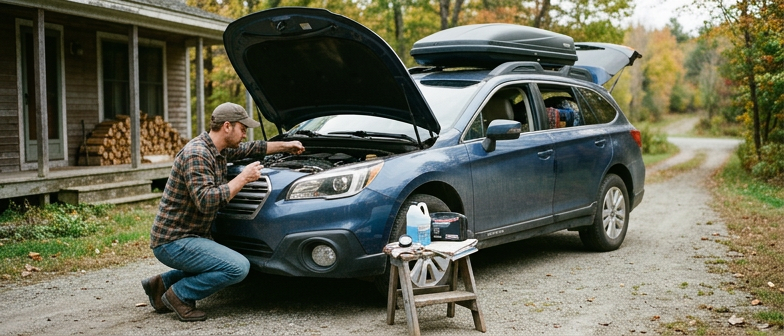
Why a Road Trip Vehicle Checklist Matters
A Road Trip Vehicle Checklist gives structure to the way you prepare your car before putting hundreds of miles on it. Instead of relying on quick glances or last minute fixes, a systematic Pre Trip Car Inspection helps you confirm that essential systems are in good working order. Checking items like tire pressure, engine fluids, and basic safety features in an organized way reduces the chance of avoidable breakdowns and helps you catch minor issues before they grow into bigger problems, making Long Distance Driving Preparation feel more manageable.
Using a checklist also keeps you focused on the parts of your vehicle that work hardest on extended trips and builds a clear picture of how roadworthy your car is right now. That overview can guide decisions such as scheduling maintenance or adjusting your travel plans. The purpose of this article is to walk through key elements of a practical inspection, show how they fit into planning a longer journey, and help you turn vehicle prep into a repeatable habit rather than a one time effort.
Pre Trip Car Inspection Essentials
A careful pre trip car inspection reduces the chance of avoidable issues during long distance driving. Start under the hood by confirming that engine oil is at the proper level and looks clean for extended use. Check coolant in the reservoir so it sits between the minimum and maximum marks, and make sure hoses are secure and free of cracks or leaks. Complete your engine fluid inspection by looking at transmission fluid if your vehicle has a dipstick, plus power steering and windshield washer fluids, so steering and visibility stay reliable on the road.
Because brake performance is central to safety, pay close attention to how the pedal feels and how the vehicle responds. If braking feels soft, pulses, or you hear grinding or squealing, have a professional inspect pads, rotors, and brake lines before you leave. Pair this with a full brake and light check. Confirm that headlights, high beams, turn signals, brake lights, and hazard flashers turn on promptly and shine evenly, since they are critical for being seen in traffic, at night, and in bad weather.
To finish your road trip vehicle checklist and overall long distance driving preparation, make a quick walkaround of the car. Look for fresh fluid spots under the vehicle, loose trim, or damage that could worsen at highway speeds. Open and close doors, the trunk, and the hood to ensure latches and locks work correctly. This simple routine gives you a clearer picture of your vehicle’s condition and supports a smoother, more predictable drive.
| Inspection Item | Primary Focus | Risk Level If Skipped | Recommended Action Timing |
|---|---|---|---|
| Engine fluid inspection | Oil, coolant, steering, washer fluids | High | Before any long distance trip |
| Brake response check | Pedal feel, noises, vehicle stopping | High | Immediately if soft or noisy |
| Exterior light check | Headlights, signals, brake, hazard lights | Medium | Evening before departure |
| Walkaround leak check | Fresh fluid spots, damaged trim | Medium | After parking overnight |
| Latch and lock check | Doors, trunk, hood closure | Low | Day of departure |
Engine Fluid Inspection and Under‑Hood Checks
For a thorough pre trip car inspection, begin under the hood with engine oil and coolant. Park on level ground, let the engine cool, then use the dipstick to confirm the oil sits within the marked range and is not thick, gritty, or very dark. Check the coolant reservoir to be sure the level is between minimum and maximum, and glance at the nearby hoses for cracks, damp spots, or crusty residue. Any leaks, strange smells, or visible damage to the cooling system should be handled by a professional before your road trip.
Continue your engine fluid inspection by looking at brake, transmission, power steering, and windshield washer fluids. Brake fluid needs to be between the indicated lines and relatively clear, and sudden level changes or a very dark color call for service. Follow the owner’s manual for transmission and power steering checks and never force caps or dipsticks. Confirm washer fluid is full so you can keep the windshield clear; if you notice burnt smells, foamy liquid, or anything that does not match the manual, arrange expert help before driving long distances.
Tires, Brakes, and Lights for Safe Highway Driving
For long distance driving preparation, start with the tires. Check tread depth and look for cuts, bulges, or embedded objects. Do a tire pressure check when the tires are cold, using a reliable gauge and the specification on the driver’s door jamb. Make sure all four tires and the spare are correctly inflated and similar in size and type, because uneven or underinflated tires can hurt handling, increase fuel use, and cause excess heat at highway speeds.
Brakes are critical in a pre trip car inspection. Confirm the pedal feels firm and consistent, and that the vehicle stops in a straight line. Grinding, squealing, or a pulsing pedal can point to worn pads or rotors that need professional attention before you travel. Where you can see the brakes through the wheels, look for heavy dust or scoring on the rotors, and avoid loading the vehicle so heavily that stopping power is reduced on hills or in emergency situations.
A quick brake and light check helps other drivers see and understand your movements. Turn on headlights, high beams, turn signals, hazard flashers, and fog lamps if fitted, then walk around the car to confirm each one works. Ask someone to press the brake pedal so you can verify both brake lamps and the high mount stop lamp light up. Replace dim or failed bulbs and clean cloudy lenses so your road trip vehicle checklist leaves the car ready for night driving and bad weather.
How to Perform a Tire Pressure Check
A Tire Pressure Check is a key part of any Road Trip Vehicle Checklist because incorrect pressure affects handling, fuel use, and heat buildup. Check tires when they are cool and use the pressure listed on the driver’s door jamb, not the maximum on the sidewall. With a tire pressure gauge, remove the valve cap, press the gauge onto the valve, and read the result. Add air if the reading is low or release a little if it is high, rechecking until it matches the recommended range, then replace the caps.
During this quick Pre Trip car inspection, also look at tread depth and overall condition. If the wear bars in the grooves sit level with the tread, the tire is worn and may struggle in wet weather. Uneven tread, bulges, or cuts can signal problems that should be checked before Long Distance driving, so a brief visual review of each tire helps you decide if professional service is needed before your trip.
Building a Practical Emergency Car Kit
A practical Emergency Car Kit supports your overall Road Trip Vehicle Checklist by giving you basic tools and supplies for unexpected situations during long distance driving preparation. Focus on essentials that help you get assistance and stay visible, such as a charged flashlight, reflective triangles or a safety vest, and a compact jump starter or jumper cables. Include a tire inflator and pressure gauge so you can address minor issues after a tire pressure check, along with a lug wrench and jack that fit your vehicle. Add a multipurpose tool, work gloves, and a small assortment of spare fuses so you can handle common roadside problems without relying solely on passing drivers or towing services.
Safety and comfort items complete the kit and make delays easier to manage. Pack a compact first aid kit with bandages, antiseptic wipes, and basic pain relievers, plus any personal medications you need. Store a printed insurance card, registration, and emergency contact details in a waterproof pouch, and keep a simple paper map in case mobile service fails. Bottled water, nonperishable snacks, a blanket, and phone charging cables help you stay comfortable while you wait for help. Reviewing and updating this Emergency Car Kit before each trip keeps it aligned with your pre trip car inspection and supports safer, more confident long drives.
Q&A
-
Why use a Road Trip Vehicle Checklist before long highway driving?
It organizes checks of tires, engine fluids, and lights so you spot issues early and lower the chance of avoidable breakdowns and mid‑trip stress. -
What’s included in a basic pre trip car inspection under the hood?
Look at engine oil level and color, coolant in the reservoir, and hoses for cracks or leaks. Then check transmission, power steering, and windshield washer fluids if equipped. -
How do I do a reliable tire pressure check?
Check when tires are cool, use a pressure gauge, and compare with the sticker on the driver’s door jamb. Add or release air until it matches, then tighten the valve caps. -
What key items belong in an emergency car kit?
Pack a flashlight, reflective triangles or vest, jumper cables or a jump starter, tire inflator and gauge, jack and lug wrench, multipurpose tool, work gloves, and spare fuses. -
How can I tell if brakes and lights are ready for long distance driving?
Listen for grinding or squealing, feel for vibration or pulling when braking, and test all exterior lights. If braking feels weak or any light is dim or out, get a professional inspection.