The Appeal of Rural Living
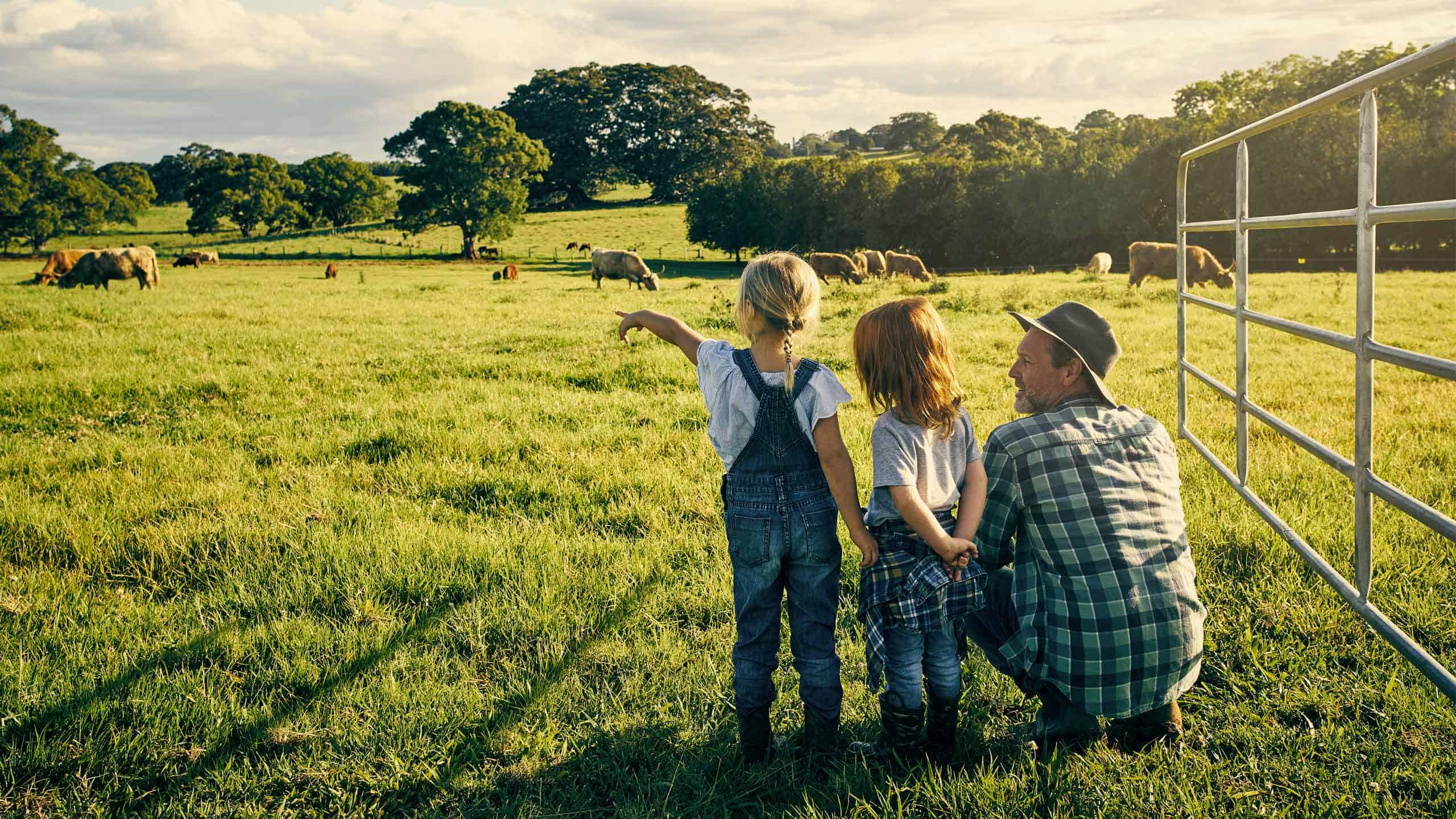
Rural living presents a stark contrast to the hustle and bustle of urban centers. One of the primary draws is the peace and quiet. Away from the constant noise of traffic and the chaos of city streets, the countryside offers a serene environment. The sound of birds chirping, the rustling of leaves in the wind, and the gentle bleating of livestock create a harmonious backdrop to daily life.
The connection to nature is another significant advantage. In rural areas, you're surrounded by vast landscapes, from rolling hills and lush meadows to clear streams and dense forests. This proximity allows for easy access to outdoor activities such as hiking, fishing, and gardening. For example, a study by the Outdoor Foundation found that people living in rural areas are more likely to engage in outdoor recreation on a regular basis compared to their urban counterparts. In fact, nearly 70% of rural residents reported participating in outdoor activities at least once a month, while only 45% of urban residents did the same.
The sense of community in rural areas is often stronger. Neighbors know each other well, and there's a spirit of mutual support. In small rural towns, community events like county fairs, farmers' markets, and local festivals bring people together. These events not only provide entertainment but also strengthen the social fabric of the community. A survey conducted by the USDA's Economic Research Service showed that over 80% of rural residents felt a strong sense of community in their area, compared to around 60% in urban areas.
However, rural living also has its challenges. Access to certain services can be limited. Healthcare facilities may be fewer and farther apart, and high - speed internet, which has become essential in today's digital age, can be less reliable or slower in some rural regions. For instance, according to a report by the Federal Communications Commission, approximately 23 million rural Americans lack access to high - speed broadband, which can impact everything from online education to remote work opportunities.
Rural Real Estate: Buying and Renting
When it comes to rural real estate, there are a variety of options available. In areas like Huntersville, there are houses for sale that offer a chance to own a piece of the countryside. These properties often come with larger lots of land compared to urban homes, allowing for activities such as gardening, raising livestock, or simply enjoying a spacious outdoor area. The prices of rural homes can vary significantly depending on factors such as location, size of the property, and the condition of the house. In some rural areas, you may find more affordable housing options compared to the high - cost urban real estate market.
For those not ready to commit to buying, renting is also an option. In places like Palmerston North, there are 100 rentals available. Renting can be a good way to test the waters of rural living without the long - term financial commitment of purchasing a home. Professional rental agencies, such as Professionals Rentals, can help match renters with suitable properties. They have in - depth knowledge of the local rental market, including information about different neighborhoods, property amenities, and rental terms.
|
Location
|
Average House Price (USD)
|
Average Rent for a 3 - Bedroom Property (USD)
|
|
Huntersville
|
$350,000
|
$1,500
|
|
Palmerston North
|
$280,000
|
$1,200
|
|
Feilding
|
$250,000
|
$1,000
|
Data source: Zillow and local real estate agencies in the respective areas
Real estate agents in Feilding play a crucial role in the rural property market. They are well - versed in the local real estate landscape, including the availability of units for sale. Whether it's a small cottage in the countryside or a larger farm property, these agents can provide valuable insights, handle the negotiation process, and guide buyers or renters through the often - complex legal and financial aspects of real estate transactions.
Learning to Live in the Country
Adjusting to rural life requires learning new skills and adapting to a different pace. One of the key areas of learning is self - sufficiency. Many rural residents grow their own fruits, vegetables, and herbs in home gardens. This not only provides a fresh and healthy source of food but also allows for a more sustainable lifestyle. Learning how to preserve food through methods like canning, drying, and freezing is also common in rural areas, ensuring that the harvest can be enjoyed throughout the year.
For those interested in raising livestock, there's a steep learning curve. Understanding the needs of different animals, such as proper feeding, housing, and healthcare, is essential. For example, raising chickens for eggs requires knowledge about their diet, the right type of coop to build, and how to protect them from predators. There are often local agricultural extension services and community groups in rural areas that offer workshops and classes on these topics, providing a valuable resource for new rural residents.
Another aspect of learning to live in the country is understanding the local environment. This includes knowledge of the local weather patterns, soil types for gardening, and the native plants and animals. Being aware of the seasons and how they impact daily life, such as when to plant crops or when to expect certain wildlife migrations, is an important part of rural living.
Modern Agricultural Equipments in Rural Life
Modern agricultural equipment has had a profound impact on rural life, especially in areas where farming is a major industry. In countries like India, the adoption of modern agricultural equipment has increased productivity significantly. Tractors, for example, are now commonly used for plowing fields, which is much faster and more efficient than traditional manual plowing. Combine harvesters can harvest crops like wheat and rice in a fraction of the time it would take to do so by hand.
The use of drones in agriculture is also on the rise. Drones can be used to monitor crop health, detect pests and diseases early, and even apply pesticides and fertilizers more precisely. This not only saves time and labor but also reduces the amount of chemicals used, which is better for the environment. In some rural areas, farmers are also using automated irrigation systems that can be controlled remotely, ensuring that crops receive the right amount of water at the right time.
However, the cost of modern agricultural equipment can be a barrier for some small - scale farmers in rural areas. But government subsidies and financing options are often available in many regions to help farmers afford these essential tools. For example, in the United States, the USDA offers loan programs to help farmers purchase new equipment.
QA
Q: How can I find a reliable real estate agent in a rural area?
A: You can start by asking for recommendations from locals in the area you're interested in. Word - of - mouth referrals are often a great way to find a trustworthy agent. You can also check online reviews on platforms like Google or Yelp. Additionally, look for agents who are members of local real estate associations, as they are more likely to adhere to professional standards. Contacting multiple agents, interviewing them about their experience in the rural market, and asking for references can also help you make an informed decision.
Q: What are some ways to improve internet connectivity in a rural home?
A: One option is to look into satellite internet providers. They can offer service in areas where traditional broadband may not be available. Some satellite internet services now offer relatively high - speed connections. Another alternative is fixed - wireless internet. Local wireless internet providers may be able to set up a connection to your home if there's a nearby tower. In some cases, you can also consider mobile hotspots, although data limits may apply. Additionally, community - led initiatives to improve broadband infrastructure are emerging in some rural areas, so getting involved with local groups working on this issue can also lead to long - term solutions.
Q: Is it difficult to find employment in a rural area?
A: It depends on the area and your skills. In rural areas with a strong agricultural base, there may be jobs in farming, agricultural processing, or related industries. Some rural areas also have small - scale manufacturing or service - based businesses. However, the job market in rural areas is generally smaller compared to urban centers. But with the growth of remote work, many people are now able to work for companies based in urban areas while living in the countryside. Additionally, starting your own business, such as a home - based craft business or a local service, can be a viable option in rural areas.