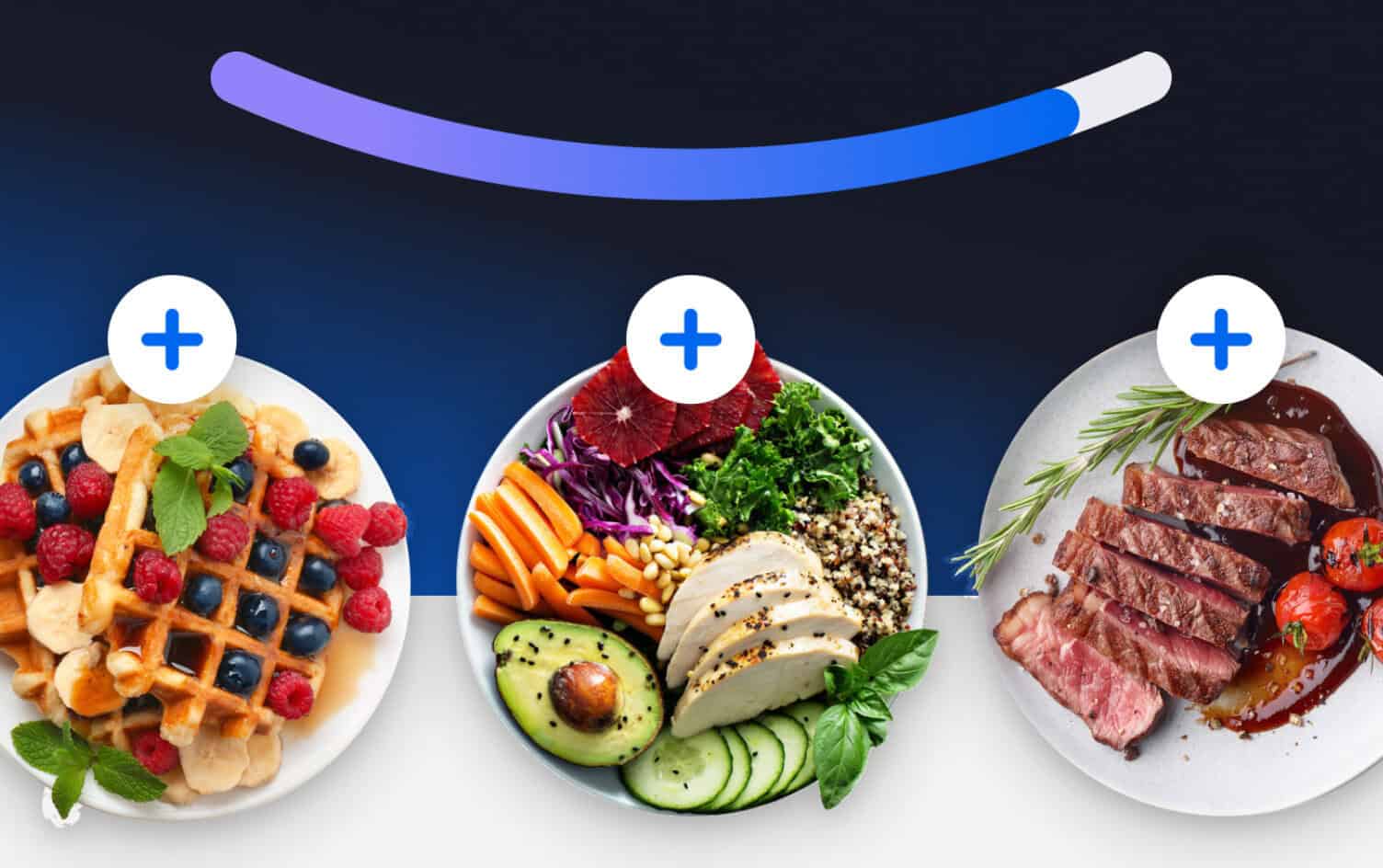
When “Same Calories” Act Completely Differently
Structure matters more than the number on the screen
Put equal energy from lentil stew and from a packaged snack side by side, and the numbers match. Inside the body, they tell different stories. Beans, whole grains, nuts, vegetables and fruit bring water, fiber and intact cell walls. That combination slows digestion, softens blood‑sugar peaks and keeps appetite steadier.
Heavily reworked foods remove or damage those structures. Starches turn easier to absorb, textures soften, and chewing time shrinks. The result is a quick surge of energy followed by a crash, even when a tracking app praises the “perfect” total. Over months, that pattern nudges weight, blood pressure and kidney workload in the wrong direction for many people.
Why your gut reacts to texture and effort
How hard food is to chew, how bulky it feels and how long it sits in the stomach all influence fullness signals sent to the brain. A bowl of chickpeas and roasted vegetables demands effort and time, stretching the stomach and releasing hormones that quietly whisper “enough.”
By contrast, soft, melt‑in‑the‑mouth snacks concentrate a lot of energy into very little space. They slip past appetite brakes so fast that another handful feels harmless. Labels might advertise added protein or fiber, but the overall design still encourages over‑eating. That is one reason someone can “stay within their target” and yet feel constantly hungry, tired or out of control around food.
A simple lens for everyday choices
Instead of asking only “How many calories?” a more helpful question is “What form does this come in?” Foods that still resemble something grown or harvested usually deliver steadier energy and kinder treatment for the gut. Items built from powders, syrups and refined grains behave very differently.
A quick mental check at meals can help: “Can I still recognise the original plant in at least half of what is on this plate?” If the answer is yes most of the time, the inner environment for digestion, kidneys and metabolism is usually heading in a better direction than any single number can show.
| Everyday situation | Option that quietly helps your body more |
|---|---|
| Need a quick lunch on the go | Soup or bowl with visible beans, grains and vegetables |
| Afternoon energy dip at work | Fruit plus nuts instead of soft, sweet packaged snacks |
| Late‑night craving at home | Leftover grain‑and‑veg dish rather than ultra‑light crisps |
| “Healthy” drink decision | Plain dairy or soy yogurt with toppings over sweet shakes |
The goal is not perfection, but tipping everyday patterns toward options that make hunger, mood and digestion easier to live with.
The Fiber Gap and the Inner Ecosystem
What your inner residents actually eat
Inside the gut lives a crowded community of microbes that never appear on labels but react to every bite. They rely on plant fibers and natural compounds human enzymes cannot break down alone. When meals regularly bring vegetables, fruit, legumes, intact grains, nuts and seeds, those microbes turn leftovers into small molecules that support the gut lining, calm low‑grade inflammation and help regulate appetite and blood sugar.
When these raw materials are scarce, the system drifts off balance. Diets built around white bread, instant noodles, sugary drinks and soft snacks starve fiber‑loving species while others take over. Diversity falls, and with it the gut’s resilience. The first signs are often mild: bloating, sluggish digestion, an afternoon slump that coffee never quite fixes.
Why added fiber is not the same as whole plants
Seeing “added fiber” on a bar or breakfast cereal feels reassuring, but the body notices more than totals. Whole beans, oats or vegetables carry a mix of soluble and insoluble fibers, water, minerals and plant chemicals arranged in a natural matrix. That structure slows release and gives microbes a long, gentle meal.
Isolated ingredients sprinkled into ultra‑processed products can help a little, especially for people eating very few plants, but they rarely recreate the full effect. Soft textures, intense flavours and rapid digestion remain. Microbes receive a narrow diet, and the rest of the body misses out on the subtle teamwork between different plant components.
Small shifts that change the inner landscape
Closing the fiber gap does not require a dramatic makeover. Replacing one refined side with lentils or another legume dish, tossing seeds over salad, or moving from a sugary breakfast cereal to oats with fruit and yogurt can steadily reshape the gut environment. Many people notice easier bowel movements, fewer energy crashes and a calmer stomach within weeks.
The key is gradual change. Jumping overnight from very low fiber to very high fiber often brings gas and discomfort. Adding one plant‑rich element at a time, drinking enough water and observing how the body responds gives microbes space to adapt. Over time, those quiet adjustments build a stronger, more flexible inner ecosystem than any single “detox” or cleanse.
Plant Buzz, Ultra‑Processed Traps and Confusing Labels
When plant‑focused marketing hides heavy processing
Shelves across English‑speaking countries overflow with products carrying green leaves on the box. Some are simply frozen vegetables or tins of beans. Others are patties, nuggets, bars and snacks built from refined starches, isolated plant proteins, oils and long ingredient lists. Both technically come from plants; only one still behaves like real food inside the body.
Replacing meat with highly engineered alternatives might help with certain personal goals, but it does not automatically improve digestion or metabolic health. A “plant‑based” burger built mostly from refined ingredients and added flavourings often sits closer to other ultra‑processed items than to a plate of lentils and vegetables. The gut, not the label, decides how it feels.
A sliding scale instead of a yes‑or‑no label
Thinking in terms of a spectrum makes daily decisions less stressful. On one end sit whole or minimally altered plants: vegetables, fruit, whole grains, pulses, nuts, seeds, tofu, plain yogurts. Moving along the scale are convenience products that still show their origins, such as tinned beans or frozen mixed vegetables. At the far end are plant‑flavoured formulations where the original ingredient is almost impossible to recognise.
Most people’s lives include items from every part of this spectrum. The aim is not to ban the last category but to make sure it does not dominate breakfast, lunch, dinner and snacks all at once. When the majority of volume on the plate comes from recognisable plants, occasional modern treats matter far less.
| Food pattern snapshot | Likely gut and energy experience |
|---|---|
| Mostly intact plants plus some simple extras | More stable appetite, easier digestion, smoother energy |
| Mix of whole foods and frequent packaged items | Moderate swings, tolerable if plants still appear most meals |
| Heavy reliance on ultra‑processed products | Sharper highs and lows in hunger, mood, bowel habits and fatigue |
This perspective turns plant‑focused eating from a strict identity into a flexible tool that can adapt to culture, budget and taste without losing its main benefits.
Numbers, Apps and Pills: Tools, Not Rulers
When tracking takes over from paying attention
Digital tracking brings comfort because it feels concrete: grams, macros, targets hit or missed. For people learning about food, a short spell of logging can be genuinely educational. But when every bite must be justified to an app, internal cues easily fade. Fullness, pleasure and digestive comfort become secondary to staying “on plan.”
Two days with identical totals can feel completely different depending on food form. A pattern built from soft diet shakes, low‑cal snacks and artificially sweetened drinks will pull hunger, mood and bowels in one direction; a pattern with hearty soups, grain bowls and fruit will pull them in another. Apps rarely capture that difference. Bodies notice it immediately.
What pills and fortified products can and cannot do
Capsules and enriched drinks promise to fill gaps left by rushed meals and patchy cooking habits. In some situations—restricted diets, medical conditions, limited access to fresh food—targeted supplements are genuinely useful. They can prevent deficiencies that would otherwise damage bones, nerves, blood or immunity.
Yet no pill can recreate the broad, slow, layered input from an actual meal built around plants. Microbes prefer regular deliveries of varied fibers and natural compounds over occasional bursts of isolated ingredients. Organs work best when they handle steady, moderate loads rather than dramatic swings softened only by capsules. Supplements fit best as backup singers behind a reasonably balanced routine, not as headliners trying to drown out an unhelpful pattern.
Using modern tools without losing common sense
A more peaceful approach treats apps, trendy foods and supplements as optional aids that answer practical questions instead of dictating every move. An app can reveal that vegetables appear only once a day. A fortified drink can bridge a busy morning. A capsule can support a specific, diagnosed need. None of them need to erase simple, low‑tech habits like cooking a pot of beans, preparing a basic salad or eating without screens.
Checking in with the body regularly—How does this meal sit in my stomach? How long until I feel hungry again? How is my mood an hour later?—offers information no device captures. Over time, that kind of attention makes it easier to spot which modern products genuinely help and which simply add noise, cost and confusion.
Bringing Food Trends Back to Real Plates
Letting the gut, not the hype, cast the final vote
Trends will keep changing: new labels, new miracle powders, new promises of effortless control. The gut, however, responds in the same quiet ways it always has—through bowel patterns, bloating, energy levels and subtle shifts in mood. Paying attention to those signals, especially in the days after big dietary experiments, is one of the most reliable guides available.
Patterns that treat this inner ecosystem kindly tend to share a few traits: plenty of plant variety in recognisable forms, enough fiber to keep things moving, not too much reliance on melt‑in‑the‑mouth ultra‑processed options, and only as many pills or tracking tools as truly feel helpful. Everything else can be flexible and personal.
Instead of chasing the perfect plan, it often works better to ask, “What one small change today would leave my gut a little calmer and my energy a little steadier?” Over weeks and months, those modest, repeatable choices do more for long‑term wellbeing than any single headline trend.
Q&A
-
How can a plant-based diet support gut health without relying on expensive supplements?
A varied plant-based diet rich in legumes, whole grains, nuts, seeds, and fermented foods naturally feeds beneficial gut bacteria, often making pricey probiotics unnecessary if fiber intake and food diversity are consistently high. -
Are all plant-based processed foods suitable for weight management and calorie tracking?
No. Many plant-based processed foods are calorie-dense and high in fats or sugars; for accurate calorie tracking and weight goals, prioritize minimally processed staples and always check nutrition labels and serving sizes. -
How should dietary guidelines be adapted for someone following a plant-based diet?
Guidelines should emphasize total fiber, plant protein diversity, vitamin B12, calcium, iron, iodine, and omega‑3 sources, while keeping saturated fat, added sugars, and ultra-processed plant products within recommended limits. -
When are supplements genuinely necessary on a plant-based diet?
Supplements are typically needed for vitamin B12 and sometimes vitamin D, iodine, and long-chain omega‑3s, depending on sun exposure, iodized salt use, and seaweed intake; testing can guide truly personalized supplementation. -
What’s a practical way to balance whole foods and processed items in a plant-based eating pattern?
Use whole foods for most meals, lean on minimally processed items such as tofu or plain soy yogurt for convenience, and reserve heavily processed plant meats and snacks for occasional use, monitored via calorie tracking.